Guide to Selecting Electrofusion Tapping Saddle Fittings for EPC Contracting
When large-scale EPC contracting projects demand reliable piping connections, the choice of electrofusion saddle fittings often becomes critical.Introduction: Large diameter electrofusion saddle fittings up to 63 inches ensure durable, leak-free connections vital for EPC projects in industrial and municipal pipelines.
When large-scale EPC contracting projects demand reliable piping connections, the choice of electrofusion saddle fittings often becomes critical. Imagine an urgent water supply installation where connection failures could disrupt operations for days. Properly selecting these specialized fittings from a trusted electrofusion fitting manufacturer ensures seamless integration with poly pipe systems, avoiding costly rework. Recognizing how these components perform under intensive workloads highlights their indispensable role in industrial and municipal pipelines, where durability and leak resistance define project success.
Technical Specifications Required for Large Diameter Saddle Branches
Selecting large diameter electrofusion saddle fittings necessitates a precise understanding of their technical specifications to meet EPC contract benchmarks and operational demands. These saddles, designed to branch off from main pipelines, rely on high-quality materials such as PE100 or PE100RC virgin polyethylene, commonly supplied by a reputable electrofusion fitting manufacturer. Their robust construction provides resistance against corrosion and mechanical stress, essential for enduring prolonged service life in water, chemical, or industrial piping networks. By conforming to international standards like AWWA C906-15 and ASTM D2513, these large diameter saddles secure consistent performance with minimal maintenance. Additionally, considerations such as wall thickness, SDR rating, and size range—sometimes up to 63 inches in diameter—must align with specific project requirements to ensure compatibility. Precision in dimension and fusion compatibility guarantees that the saddle’s stainless steel electrodes fuse seamlessly with the pipe, ensuring leak-free joints that uphold system integrity even under variable pressure conditions. The electrofusion fitting manufacturer’s attention to detailed engineering and adherence to quality certifications further reassures contractors that these saddle branches provide the mechanical strength and durability EPC projects demand.
Installation Protocols Ensuring Leak-Free Poly Pipe Connections
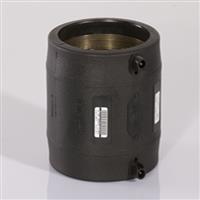
Installation of electrofusion saddles for poly pipe systems requires meticulous adherence to protocols to minimize leaks and guarantee structural integrity in EPC construction environments. Working with fittings from an experienced electrofusion fitting manufacturer simplifies this process, as they are designed to integrate fluidly with standard HDPE pipes through precise electric fusion. Prior to installation, critical steps include surface preparation such as cleaning and scraping the pipe area to ensure the polyethylene material is free of dirt and oxidation, which otherwise compromise fusion quality. Proper alignment of the saddle to the pipe is essential to prevent mechanical stresses that could weaken the joint over time. The heat generated by the electrofusion process needs to be carefully controlled following manufacturer guidelines, as excessive or insufficient fusion time can lead to incomplete bonding or pipe deformation. Using advanced electrofusion equipment calibrated for the fitting’s specifications supports consistent temperature application across the joint. Post-fusion testing ensures the saddle connection is watertight and meets pressure requirements, a non-negotiable for EPC projects managing high-stakes infrastructure. By mastering these installation steps, pipeline professionals ensure that an electrofusion saddle functions reliably as an integral part of large-scale piping solutions, thereby supporting the project’s longevity and safety objectives.
Importance of Third-Party Certifications in Supplier Evaluations
In EPC contracting, evaluating electrofusion saddle suppliers involves more than just product breadth; third-party certifications play a crucial role in validating quality and safety. A distinguished electrofusion fitting manufacturer typically holds certifications from internationally recognized bodies such as ISO 9001, WRAS UK, NSF USA, and BV France, demonstrating compliance with stringent material and production standards. These independent validations affirm the fitting’s resistance to wear, corrosion, and pressure demands, instilling confidence in procurement decisions. When contractors require large diameter saddle branches engineered for demanding water supply or industrial applications, verified conformity to standards like ASTM D3261 ensures consistent performance under operational stresses. Certification processes often include comprehensive testing regimes, covering everything from material integrity to fusion compatibility, assuring adherence to environmental and regulatory criteria. Leveraging suppliers with these credentials mitigates risk by reducing the likelihood of premature joint failures or regulatory complications. Furthermore, certifications support smooth inspection cycles and project approvals by third-party auditors and government agencies, expediting construction timelines. Therefore, scrutiny of third-party certifications integrates seamlessly into selection protocols, helping EPC contractors align electrofusion saddle sourcing with best practices and quality assurance frameworks vital to delivering dependable infrastructure.
Selecting appropriate electrofusion saddle fittings from a credible electrofusion fitting manufacturer markedly reduces uncertainty in pipeline system integrity. The product’s robust design and conforming materials satisfy demanding operational conditions while installation protocols ensure welded joints remain leak-proof and resilient. Moreover, adherence to third-party certifications offers an additional safety net by confirming compliance with global quality benchmarks. As industrial and EPC pipeline projects evolve with increasingly exacting standards, these specialized fittings stand as reliable components that adapt effectively without compromising safety or performance. Embracing such well-tested electrofusion saddle technology mitigates risks inherent in system failures and supports sustainable infrastructure development over the long term.
References
1. HDPE Electrofusion Fitting for Gas – Overview of HDPE electrofusion fittings designed for gas distribution systems, highlighting their durability and ease of installation.
2. HDPE Electrofusion Saddle – Detailed information on HDPE electrofusion saddles, emphasizing their application in large bore piping systems.
3. HDPE Electrofusion Fittings for Inch Sizes – Description of HDPE electrofusion fittings available in inch sizes, suitable for various piping applications.
4. The Good Guide to Electrofusion Jointing – Comprehensive guide providing best practices and procedures for electrofusion jointing.
5. Electrofusion Jointing Guidance – Document offering detailed instructions and guidelines for effective electrofusion jointing.